
The aroma of warm, sweet comfort wafts through my kitchen as I prepare Tangyuan, those delightful glutinous rice balls that hold a special place in my heart. This simple recipe requires just three ingredients, making it an accessible treat for anyone, whether you’re a beginner or a seasoned chef. These gluten-free desserts can be served in a variety of ways—either chilled on a hot summer day or swimming in fragrant ginger syrup during colder months. Not only are they a breeze to whip up, but they also bring a touch of joy and warmth to any occasion. Ready to discover how to create these soft, chewy treasures in your own home? Let’s roll up our sleeves and get started!
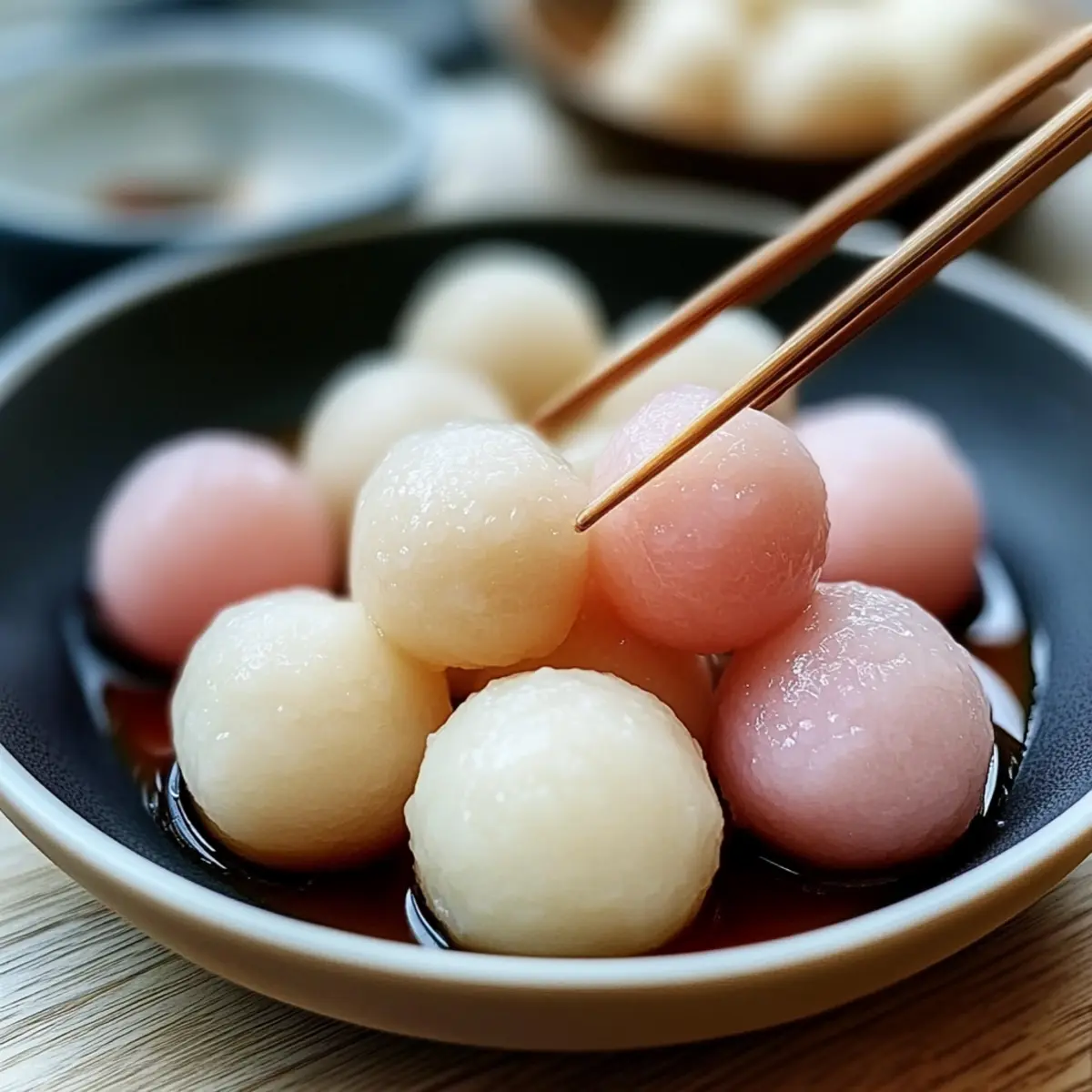
Why Are These Glutinous Rice Balls Special?
Simplicity: With only three ingredients—glutinous rice flour, sugar, and water—this recipe is incredibly straightforward.
Chewy Delight: The unique texture of Tangyuan offers a delightful chewiness that you won’t find in traditional desserts.
Versatile Serving: Enjoy these glutinous rice balls either warmed in ginger syrup or chilled over crushed ice, making them perfect for any season.
Crowd-Pleasing Treat: Whether for a festive occasion or a cozy night in, these sweet bites are sure to impress family and friends.
Cultural Significance: Each bite encapsulates the rich tradition of Taiwan, often enjoyed during special festivals, reinforcing feelings of togetherness.
For more unique twists, you might want to try my Cheesy Mashed Potato Balls next time, which also offer a comforting texture or pair it with a refreshing glass of Greek Lemon Rice for a balanced meal.
Glutinous Rice Balls Ingredients
For the Dough
- Glutinous Rice Flour – Essential for the chewy texture of these glutinous rice balls; avoid using regular rice flour for best results.
- Sugar – Adds sweetness; feel free to use a sugar substitute if you’re looking for a healthier alternative.
- Water – Helps bind the ingredients; adjust the amount to achieve the right dough consistency.
For Serving (Optional Enhancements)
- Ginger Syrup – Drizzle over warm Tangyuan for a cozy, aromatic flavor boost.
- Crushed Ice – Serve with chilled Tangyuan for a refreshing summer treat.
- Coconut Milk or Mango Puree – Consider these for a tasty drizzle to elevate your glutinous rice balls experience.
Step‑by‑Step Instructions for Glutinous Rice Balls
Step 1: Dough Preparation
In a mixing bowl, combine glutinous rice flour and sugar, then gradually add water while stirring gently. Mix until a slightly rough dough forms, avoiding over-mixing. The dough should be cohesive and not sticky; if needed, adjust with a little more rice flour or water. Set it aside for about 10 minutes to allow the ingredients to meld together.
Step 2: Tester Dough
To ensure the perfect texture of your glutinous rice balls, take a small piece of the dough and shape it into a tiny ball. Boil this tester dough in a pot of water for 2-3 minutes. Once it floats to the surface and becomes slightly translucent, remove it and incorporate back into the main dough mixture. This crucial step enhances the chewiness of your final Tangyuan.
Step 3: Kneading
Transfer the dough to a clean, flat surface and begin kneading it with your hands. Knead for about 5-7 minutes until the dough is smooth and pliable. If you notice any stickiness, sprinkle a little more glutinous rice flour as needed. The consistency should be soft yet firm enough to hold its shape, perfect for forming the glutinous rice balls.
Step 4: Shaping
Once your dough is kneaded to perfection, divide it into equal pieces, aiming for about 3 tablespoons each. Roll each piece into a smooth ball between your palms, ensuring they are uniform in size for even cooking. As you shape the Tangyuan, place them on a parchment-lined tray to prevent sticking.
Step 5: Cooking
Bring a large pot of water to a gentle simmer over medium heat. Carefully add the shaped glutinous rice balls, being cautious not to overcrowd the pot. Cook for 3-4 minutes, and watch as they start to float to the surface—this is the sign they’re ready! Once floating, use a slotted spoon to remove them and set aside.
Step 6: Serving
Serve your delightful glutinous rice balls immediately for the best texture. You can enjoy them warmed in a cozy ginger syrup for a comforting experience or chill them over a bowl of crushed ice for a refreshing treat. Feel free to drizzle with coconut milk or mango puree to enhance your sweet moment with these Tangyuan.
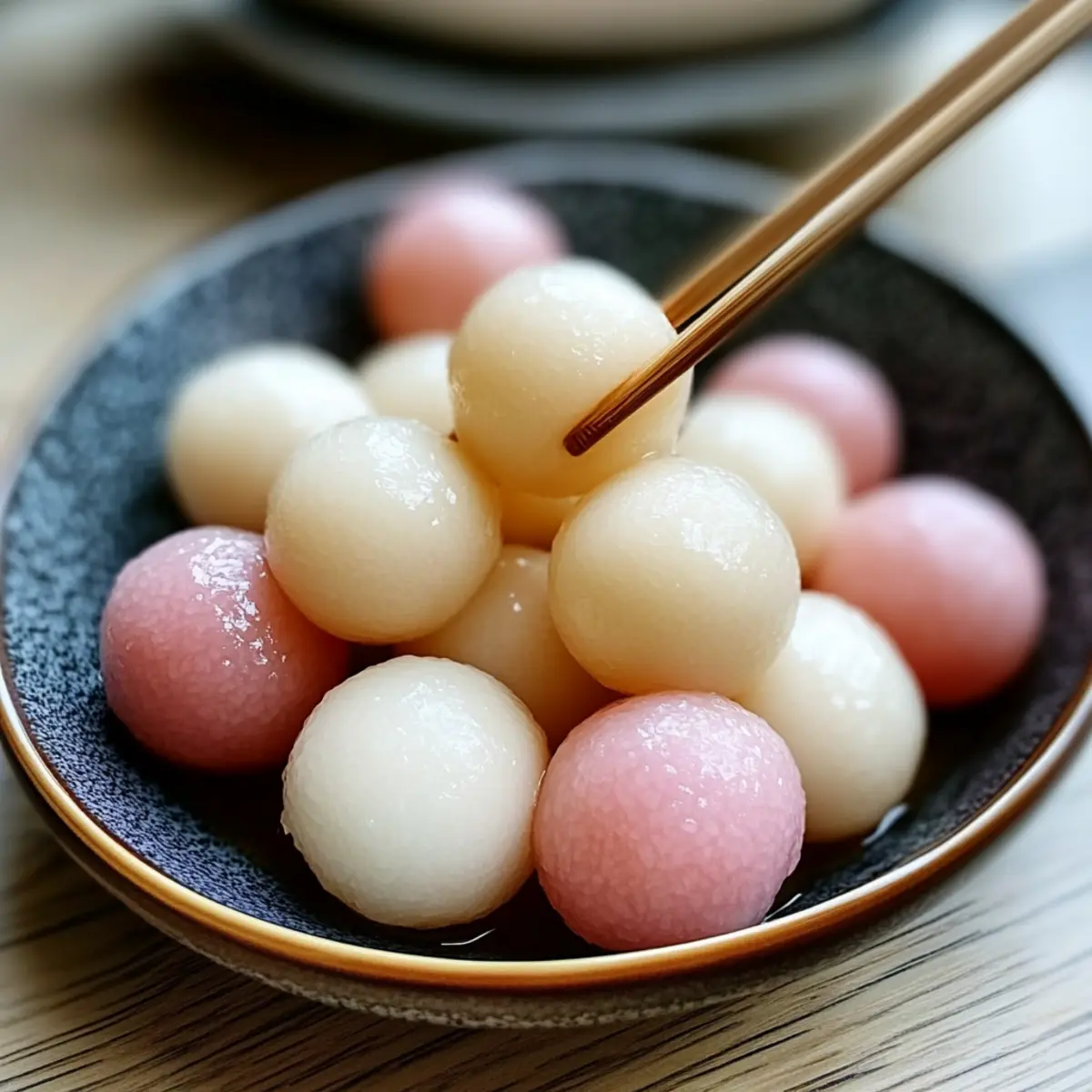
What to Serve with 3-Ingredient Tangyuan
Imagine enjoying the subtle sweetness of glutinous rice balls paired with elements that elevate every delightful bite.
- Ginger Syrup: Warm, aromatic syrup that adds comforting spice, enhancing the chewy texture of Tangyuan beautifully.
- Coconut Milk Drizzle: A rich, creamy topping that complements the sweetness while adding a tropical flair—perfect for warm nights.
- Crushed Ice: Serve chilled Tangyuan atop crushed ice for a refreshing treat during hot summer days, creating a delightful contrast in temperature.
- Red Bean Soup: This warm, sweet traditional soup adds a comforting layer to your dessert experience, creating a pleasing contrast in texture.
- Matcha Tea: Pair these sticky treats with a cup of earthy, warm matcha tea to balance the sweetness—the perfect cozy afternoon companion.
- Mango Puree: This vibrant and fruity drizzle offers an explosion of flavor, creating a tropical vacation in every bite and adding a burst of color.
- Sesame Seeds: Toasted for a nutty crunch, they add depth to the soft Tangyuan and a hint of artistic flair when sprinkled on top.
- Almond Milk: A refreshing, nutty beverage that pairs beautifully with the sweet flavors of Tangyuan, creating a harmonious finish to your meal.
Expert Tips for Perfect Glutinous Rice Balls
-
Tester Dough Importance: Always boil a small piece of dough first. This ensures the right chewiness, which is vital for your glutinous rice balls.
-
Adjusting Consistency: If your dough is too sticky during kneading, sprinkle in additional glutinous rice flour. The right texture is key to achieving those delightful chewy bites.
-
Storage Solutions: Keep uncooked dough at room temperature for a maximum of 2 hours. For longer preservation, refrigerate for up to 24 hours or freeze shaped Tangyuan for up to 3 months, cooking directly from frozen.
-
Uniform Sizing: Shape your balls uniformly for even cooking. Aim for about 3 tablespoons each to ensure they all cook at the same rate.
-
Serving Variations: Try serving your glutinous rice balls in different ways each time! Pair them with ginger syrup for warmth or crushed ice for a cooling treat.
How to Store and Freeze Glutinous Rice Balls
Room Temperature: Keep uncooked dough at room temperature for up to 2 hours to maintain its freshness and prevent it from drying out.
Fridge: Store cooked glutinous rice balls in an airtight container in the fridge for up to 3 days. Reheat them gently in warm water or a microwave.
Freezer: Freeze uncooked shaped Tangyuan on a parchment-lined tray, then transfer to a plastic bag for up to 3 months. Boil them directly from frozen for 4-5 minutes until cooked through.
Reheating: For best results, reheat cooked Tangyuan in warm ginger syrup or simply warm water to restore their delightful chewiness.
Glutinous Rice Balls Variations
Feel free to bring your own magic to these delightful glutinous rice balls; let’s explore some fun twists!
-
Colorful Tangyuan: Add a few drops of food coloring to the dough, creating vibrant, eye-catching treats.
-
Flavor Infusion: Mix in a little matcha powder or cocoa powder for earthy, unique flavors that surprise your palate.
-
Nut Butters: Fill your Tangyuan with a dollop of peanut or almond butter before sealing, infusing each bite with creamy goodness.
-
Spiced Syrups: Serve with cinnamon or cardamom-infused syrup for a hint of warmth that complements the sweetness perfectly.
-
Fruity Delight: Incorporate mashed fruit like banana or ripe mango into the dough for added taste and a refreshing twist.
-
Savory Surprise: Swap sugar with a pinch of salt and fill them with sautéed vegetables for an unexpected savory take.
-
Show-Stopping Desserts: Drizzle your Tangyuan with caramel or chocolate sauce, turning them into a restaurant-worthy indulgence.
For even more comforting recipes, consider trying my delicious Cheesy Mashed Potato Balls or pair these delightful glutinous rice balls with a bowl of refreshing Greek Lemon Rice. The possibilities are endless!
Make Ahead Options
These Glutinous Rice Balls are perfect for busy home cooks looking to save time! You can prepare the dough up to 24 hours in advance. Simply mix the glutinous rice flour, sugar, and water until a rough dough forms, then refrigerate it in an airtight container to prevent drying out. For a more extended option, you can shape the Tangyuan and freeze them for up to 3 months. Just arrange the shaped balls on a parchment-lined tray and freeze until firm, then transfer them to a plastic bag. When you’re ready to enjoy, boil the frozen Tangyuan directly for 4-5 minutes. This way, you’ll have delightful, chewy desserts ready to serve with minimal effort!
Glutinous Rice Balls Recipe FAQs
How do I select the best glutinous rice flour?
Absolutely! When choosing glutinous rice flour, look for a fine texture and a label that specifically states “glutinous” or “sweet rice” flour. Avoid regular rice flour, as it won’t yield the same chewy texture that defines Tangyuan. Check for any clumps in the flour; it should be smooth and free of dark spots.
What’s the best way to store cooked Tangyuan?
Very! Cooked Tangyuan can be stored in an airtight container in the fridge for up to 3 days. When you’re ready to enjoy them again, simply reheat the balls gently in warm water or a microwave. For added flavor, you can heat them in ginger syrup to enhance their sweetness.
Can I freeze uncooked Tangyuan?
Absolutely! To freeze uncooked Tangyuan, shape the balls first and lay them out on a parchment-lined tray. Flash freeze them for about 1-2 hours until firm. Once they’re solid, transfer them to a plastic bag or airtight container and store for up to 3 months. When you’re ready to cook them, boil them straight from frozen for about 4-5 minutes.
What should I do if my Tangyuan is too sticky?
Oh no! If your Tangyuan dough is too sticky while kneading, sprinkle in additional glutinous rice flour, a little at a time, until it reaches the right consistency—soft and pliable but not tacky. Knead until smooth. Remember, the right texture is crucial for achieving that delightful chewiness!
Are Tangyuan suitable for people with gluten allergies?
Yes! This recipe for Tangyuan is gluten-free since it uses glutinous rice flour. However, always double-check the packaging, as some brands may process their products in facilities that handle glutenous grains. If you’re serving guests with allergies, consider using alternative sweeteners or flavorings that suit their dietary needs.
How long can I keep uncooked Tangyuan dough?
Great question! You can keep uncooked Tangyuan dough at room temperature for up to 2 hours without it drying out. If you plan to store it longer, refrigerate it for no more than 24 hours. Just be sure to wrap it well to prevent it from drying or absorbing odors from your fridge.
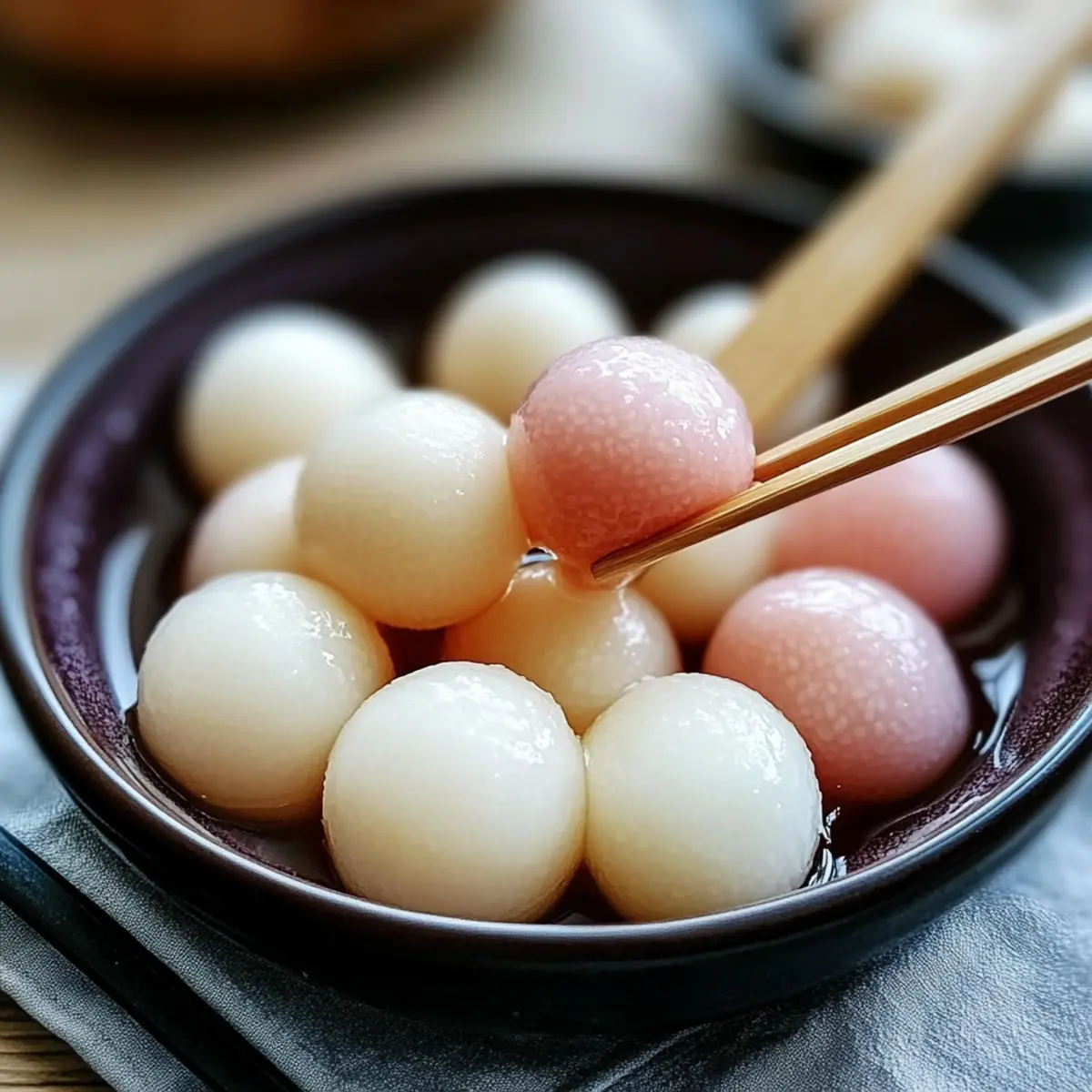
Perfectly Chewy Glutinous Rice Balls for Sweet Moments
Ingredients
Equipment
Method
- In a mixing bowl, combine glutinous rice flour and sugar, then gradually add water while stirring gently. Mix until a slightly rough dough forms. Let it rest for 10 minutes.
- Take a small piece of the dough and shape it into a tiny ball. Boil this tester dough in a pot of water for 2-3 minutes, then incorporate it back into the main dough mixture.
- Transfer the dough to a clean surface and knead for 5-7 minutes until smooth and pliable. If sticky, sprinkle more glutinous rice flour.
- Divide the dough into equal pieces (about 3 tablespoons each) and roll into smooth balls. Place on a parchment-lined tray.
- Bring a large pot of water to a gentle simmer. Carefully add the shaped glutinous rice balls and cook for 3-4 minutes until they float to the surface.
- Serve immediately, either in ginger syrup or over crushed ice. Enhance with coconut milk or mango puree if desired.
Leave a Reply