
As I stood in my kitchen the other evening, the warm aroma of chicken simmering in broth wrapped around me like a cozy blanket. That’s when I realized I was craving comfort food that wouldn’t demand hours of my time. Enter Oyakodon—this delightful Japanese Chicken & Egg Rice Bowl! With tender chicken and fluffy egg nestled together, it’s an effortlessly quick meal, perfect for busy weeknights or simple indulgent evenings at home. What truly excites me about this dish is its versatility: you can easily swap in vegetables or even tofu for a delightful twist. Just one pan brings together savory goodness that warms both body and soul. Ready to dive into this heartwarming recipe together?
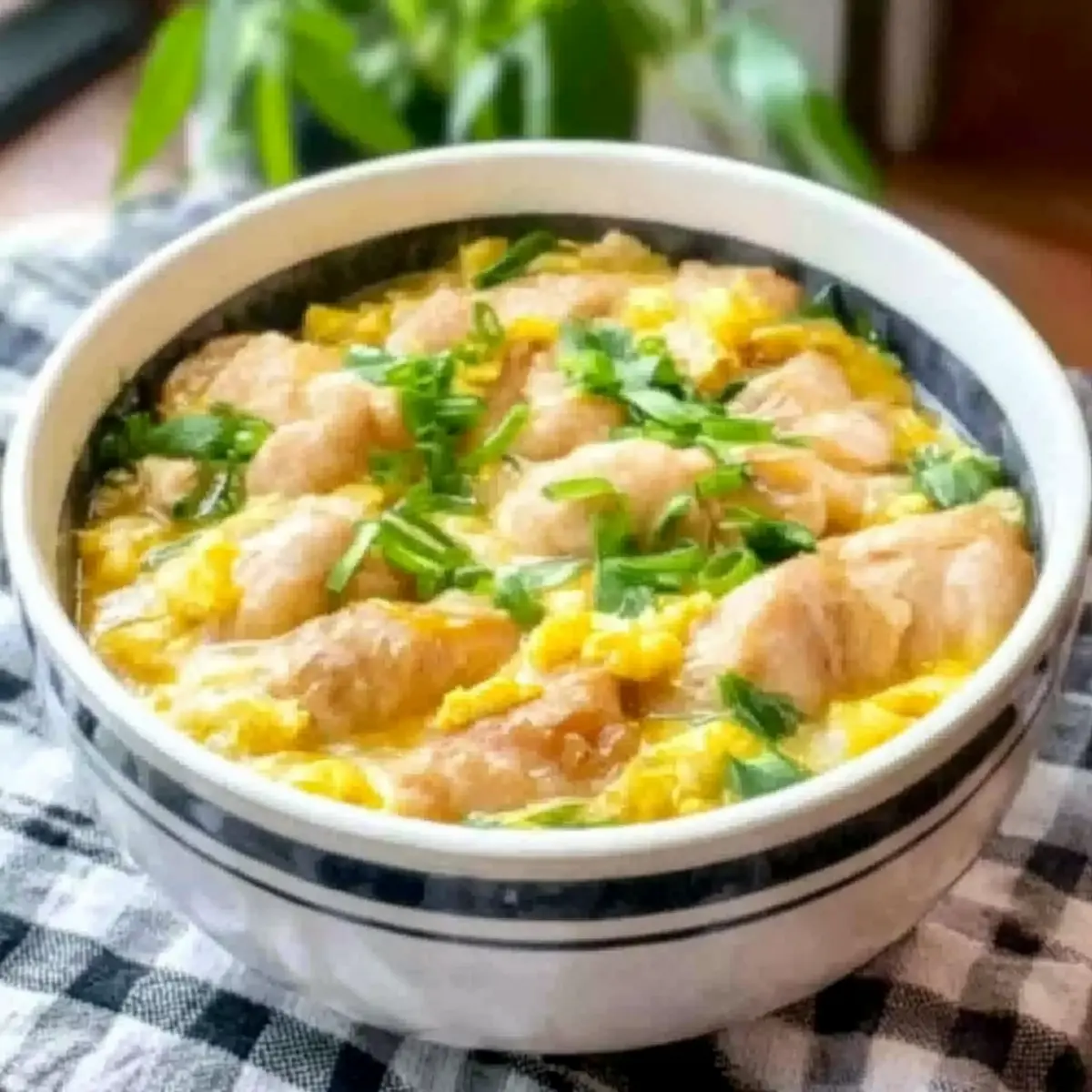
Why is Oyakodon a Must-Try?
Comforting Simplicity: Oyakodon is a one-pan wonder, making it quick to prepare and easy to clean up after!
Savory Harmony: The blend of chicken and eggs creates a perfect balance of flavors, transporting you straight to Japan with every bite.
Versatile Options: Whether you’re a meat-lover or a vegetarian, you can easily adapt this dish to suit your tastes. Try substituting chicken with tofu or loading it with seasonal veggies!
Crowd-Pleaser: It’s a favorite among family and friends, ensuring everyone feels satisfied and cozy after the meal.
Healthy & Hearty: Packed with protein and essential nutrients, this dish supports a nourishing diet while still hitting those comfort food cravings.
Elevate your weeknight meals with this delightful Oyakodon and check out our Avocado Mojo Bowls for another quick and tasty option!
Japanese Chicken & Egg Rice Bowl Ingredients
• Perfect for cozy nights!
For the Chicken
• Chicken Thighs – Provides protein and richness; for a leaner option, use skinless chicken breast.
• Soy Sauce – Offers umami and saltiness; opt for gluten-free soy sauce if needed.
• Mirin – Adds sweetness and acidity; you can substitute with rice vinegar mixed with a bit of sugar.
• Sugar – Balances the savory flavors; can be omitted for a lower-sugar dish.
For the Broth
• Chicken Stock or Dashi – Forms the base of the broth; for a vegetarian version, use vegetable broth.
• Onion – Adds sweetness and depth; shallots can be used for a milder taste.
For the Egg Mixture
• Eggs – Create a soft scramble that binds the dish together, adding warmth and creaminess.
For the Rice Base
• Cooked Rice – Acts as a hearty base for the donburi; sushi rice is recommended for authenticity.
Optional Garnishes
• Green Onion – Adds a fresh crunch; finely chopped for best results.
• Sesame Oil – Drizzle for an added depth of flavor.
• Nori – Shredded as a finishing touch; it contributes a delightful sea flavor.
• Togarashi – A sprinkle brings a spicy kick to your bowl.
Dive into this soul-warming Japanese Chicken & Egg Rice Bowl and discover its delightful versatility!
Step‑by‑Step Instructions for Japanese Chicken & Egg Rice Bowl
Step 1: Marinate the Chicken
In a mixing bowl, combine diced chicken thighs with soy sauce, mirin, and sugar. Stir well to coat the chicken evenly. Let this marinate for about 5-10 minutes to infuse the flavors while you prepare the rest of your ingredients.
Step 2: Prepare the Eggs
Crack the eggs into a separate bowl and whisk them lightly with a fork until the yolks break and blend slightly, but not fully. Set this egg mixture aside, as it will become the delectable cloud that envelops the chicken in your Japanese Chicken & Egg Rice Bowl.
Step 3: Cook the Onions
Heat a small pan over medium heat, and pour in the chicken stock or dashi. Bring it to a gentle boil before adding the sliced onions. Cook the onions for about 1 minute, until they soften and release their sweet aroma, creating the base for your savory broth.
Step 4: Add the Chicken
Carefully introduce the marinated chicken to the pan with the onions. Cook for 1-2 minutes on each side until the chicken is nearly cooked through and begins to turn golden. This step ensures that your chicken is tender and flavorful, perfectly complementing the broth.
Step 5: Add the Eggs
Pour the beaten eggs evenly over the chicken and onion mixture. Allow the eggs to set for just a moment, then lightly scramble them with a spatula. Cook until the eggs are still slightly runny, about 1-2 minutes, resulting in that creamy texture characteristic of Oyakodon.
Step 6: Serve with Rice
Spoon the chicken and egg mixture generously over a bed of warm cooked rice in individual bowls. For the finishing touch, garnish with finely chopped green onions, a drizzle of sesame oil, or a sprinkle of nori and togarashi, if desired. Dig in and savor the comforting flavors of your Japanese Chicken & Egg Rice Bowl!
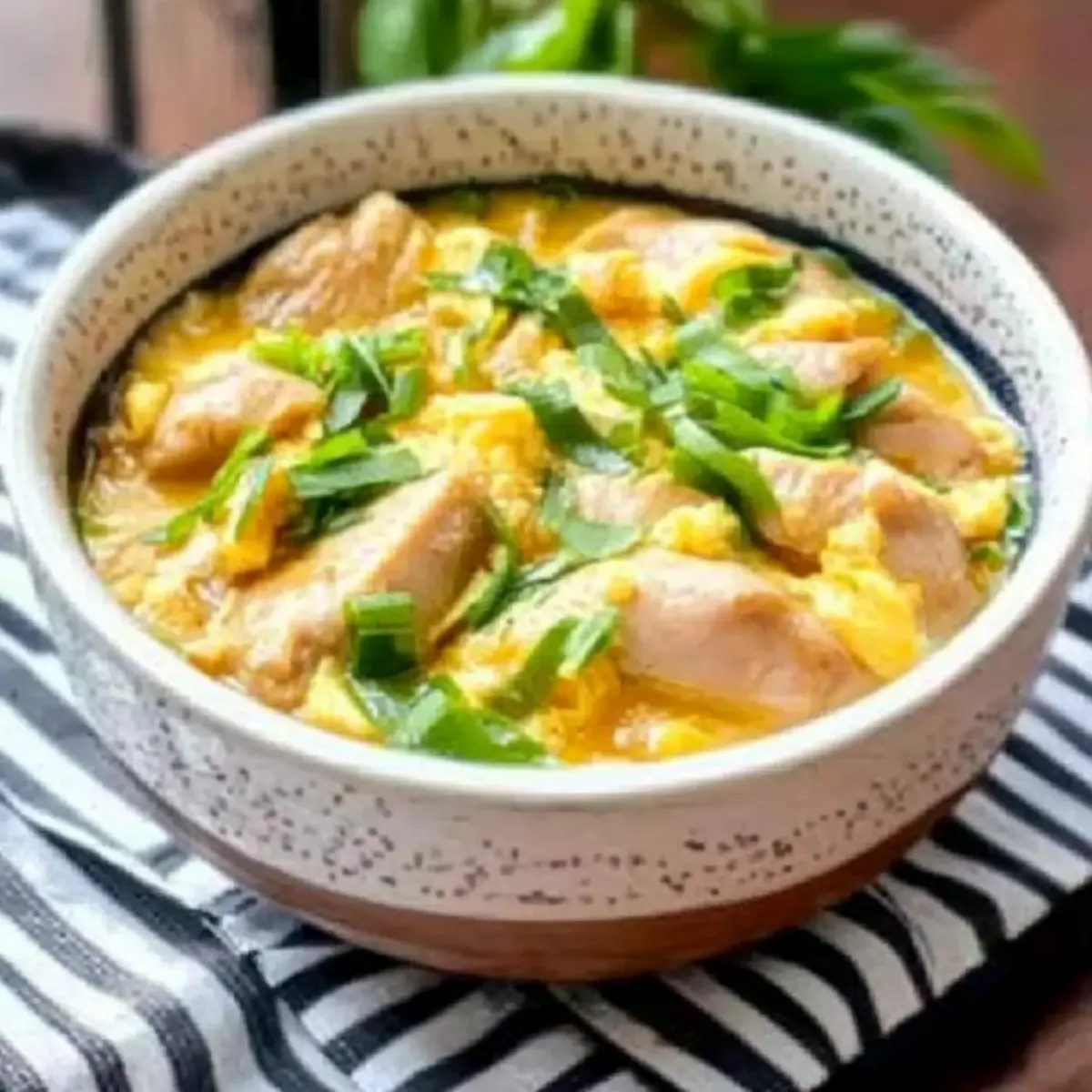
What to Serve with Quick & Easy Oyakodon?
Bring your dining experience to life by pairing delightful sides with this comforting rice bowl that warms the heart!
-
Pickled Vegetables: These tangy bites provide a refreshing contrast to the savory richness of Oyakodon and cleanse the palate.
-
Steamed Edamame: A protein-rich accompaniment, these tender green soybeans add a delightful pop of texture and flavor.
-
Miso Soup: A warm bowl of miso soup offers deep umami flavors that beautifully complement the chicken and egg flavors in your dish.
-
Cucumber Salad: Crisp and light, a simple cucumber salad dressed in rice vinegar adds a refreshing crunch – a perfect foil for the cozy Oyakodon.
-
Roasted Seaweed Snacks: These crispy and savory bits add an interesting texture and a hint of ocean flavor that pairs well with the rice bowl.
-
Green Tea: A warm cup of earthy green tea complements the savory elements, enhancing the overall dining experience and adding a calming touch.
Each pairing enhances the comforting nature of Oyakodon, making your meal both satisfying and memorable. Enjoy!
Japanese Chicken & Egg Rice Bowl Variations
Feel free to customize your comforting Oyakodon with these enticing twists that bring in new flavors and textures!
-
Vegetarian Delight: Substitute chicken with tofu or seitan, making it a satisfying vegetarian option that hugs deliciously.
-
Spicy Kick: Add a few slices of fresh chili or a dash of sriracha to elevate the heat level in your dish.
-
Loaded Veggies: Include seasonal vegetables like spinach or shiitake mushrooms to boost nutrition and add delightful freshness to every bite.
-
Rice Alternative: Swap cooked rice for cauliflower rice or quinoa for a lower-carb and high-protein alternative that doesn’t compromise on flavor.
-
Savory Mix-Ins: Toss in pan-fried mushrooms or bell peppers while cooking the onions for extra depth and texture.
-
Coconut Twist: Use coconut milk instead of dashi for a creamy, tropical flavor that will transport you to an island paradise.
-
Nutrient Boost: Sprinkle some edamame or peas in the egg mixture to increase protein and a pop of color in your bowl.
-
Herb Fusion: Experiment with fresh herbs like cilantro or basil for a fragrant twist that complements the savory notes of Oyakodon.
Explore these variations and consider pairing your Oyakodon with our delightful Napa Chicken Salad for a fresh side dish, or enjoy it alongside a hearty Greek Chicken Casserole to round off your meal!
How to Store and Freeze Japanese Chicken & Egg Rice Bowl
Fridge: Store leftovers without rice in an airtight container for up to 2 days; reheat gently on the stove, adding a splash of stock to revive moisture.
Freezer: For best results, freeze the chicken and egg mixture (without rice) in freezer-safe containers for up to 3 months. Thaw in the fridge overnight before reheating.
Room Temperature: Enjoy your Oyakodon immediately after cooking for optimal texture and flavor; avoid leaving it out for more than 2 hours to ensure safety.
Reheating: Gently heat on the stove, stirring occasionally to prevent sticking, until heated through—the eggs should remain creamy and tender for the best eating experience.
Expert Tips for Japanese Chicken & Egg Rice Bowl
-
Perfectly Fluffy Eggs: Whisk your eggs until just combined; a mix of 70-80% will create a soft scramble that hugs the chicken beautifully.
-
Tender Chicken: Avoid overcooking the chicken. It should be just cooked through before adding the eggs to maintain tenderness and flavor in your Japanese Chicken & Egg Rice Bowl.
-
Substitutions Matter: If you’re using alternatives, like tofu or seasonal veggies, adjust liquid and cooking times to ensure everything is cooked perfectly and flavor-rich.
-
Garnish Wisely: Fresh garnishes like green onions or a drizzle of sesame oil not only boost flavor but also enhance the presentation of your dish.
-
Sauciness Check: If your broth seems too thick or dry, add a splash of stock while cooking to maintain that delicious sauciness everyone loves in Oyakodon.
Make Ahead Options
These delightful Japanese Chicken & Egg Rice Bowls are perfect for meal prep enthusiasts! You can marinate the chicken thighs in soy sauce, mirin, and sugar up to 24 hours in advance, ensuring maximum flavor. Additionally, you can pre-cook the onions in the broth and store them in the refrigerator for up to 3 days. When ready to enjoy, simply heat the onion broth, add the marinated chicken, and finish with the beaten eggs. This approach helps maintain the dish’s quality, leaving you with just as delicious a meal as if prepared fresh. Embrace this smart strategy to save time on busy weeknights while savoring your homemade Oyakodon!

Japanese Chicken & Egg Rice Bowl Recipe FAQs
What type of chicken is best for Oyakodon?
For Oyakodon, chicken thighs are ideal due to their richness and tenderness. If you’re looking for a leaner option, skinless chicken breast works beautifully too. Make sure they are fresh, and feel free to marinate them for a deeper flavor.
How should I store leftover Oyakodon?
Leftovers should be stored without rice in an airtight container in the fridge for up to 2 days. When you’re ready to eat, gently reheat it on the stove, adding a splash of stock to keep it moist.
Can I freeze Oyakodon, and how do I do it?
Absolutely! You can freeze the chicken and egg mixture without the rice in freezer-safe containers for up to 3 months. To thaw, simply place it in the fridge overnight. When reheating, warm it on the stove with a bit of stock until heated through, ensuring the eggs remain creamy!
What can I do if I overcooked the chicken?
If you’ve overcooked the chicken, it can become tough. To remedy this when reheating, add a little chicken stock to the pan. The moisture will help soften the chicken and revive its tenderness, giving you a more enjoyable meal.
Are there any dietary considerations I should keep in mind?
For those with gluten sensitivities, you can easily switch to gluten-free soy sauce and use vegetable broth instead of chicken stock for a delicious vegetarian version. Always check that any garnishes, like nori or togarashi, align with your dietary needs as well!
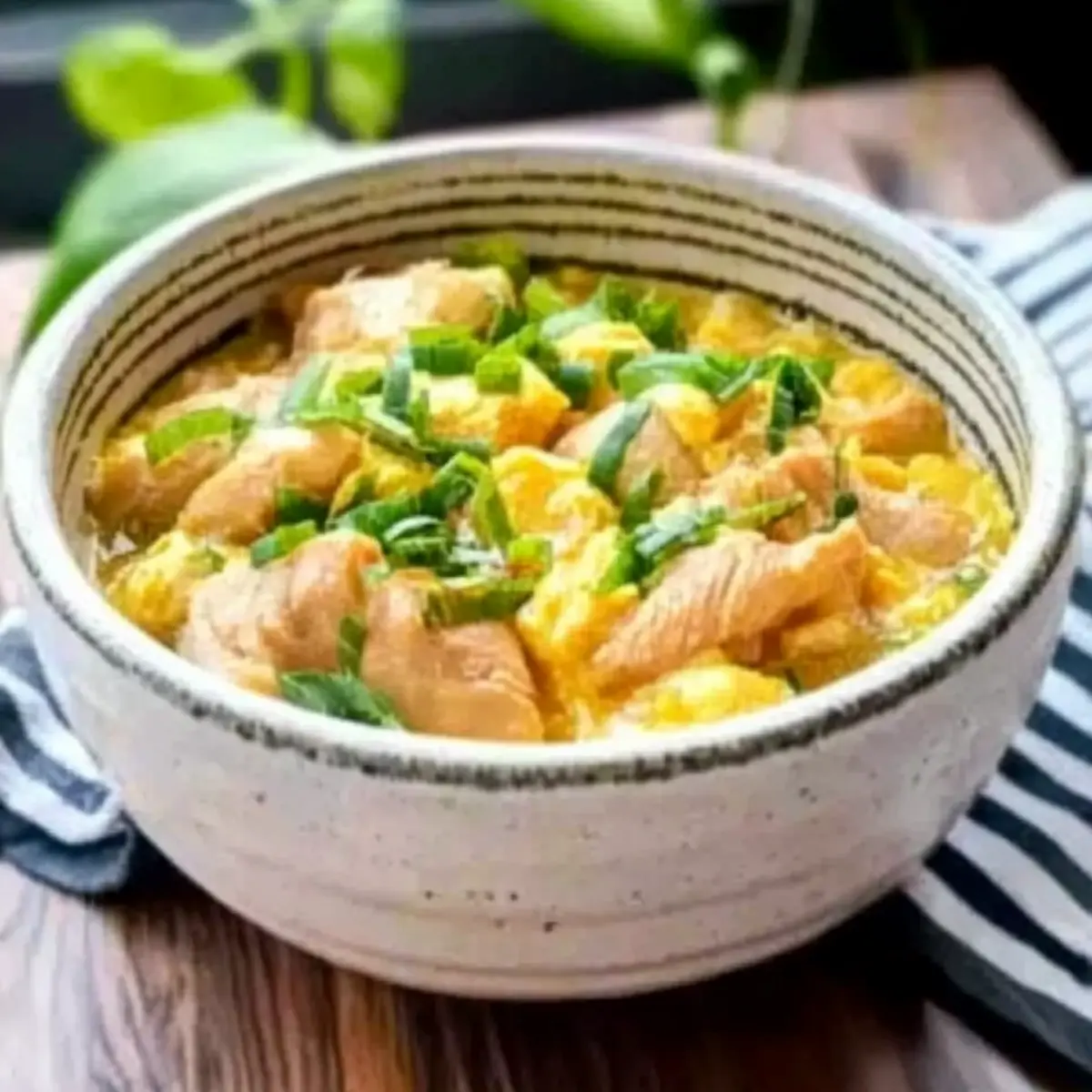
Savory Japanese Chicken & Egg Rice Bowl for Cozy Nights
Ingredients
Equipment
Method
- In a mixing bowl, combine diced chicken thighs with soy sauce, mirin, and sugar. Let marinate for about 5-10 minutes.
- Crack the eggs into a bowl and whisk them lightly. Set aside.
- Heat a small pan, pour in the chicken stock, and bring to a gentle boil. Add the sliced onions and cook for 1 minute.
- Add the marinated chicken to the pan and cook for 1-2 minutes on each side until nearly cooked through.
- Pour the beaten eggs over the chicken and onion mixture. Scramble lightly until eggs are still slightly runny, about 1-2 minutes.
- Serve the chicken and egg mixture over a bed of warm cooked rice, garnishing as desired.
Leave a Reply