
There I was, standing in the kitchen, staring at a beautiful cut of beef and pondering a complete transformation. That’s when the idea of making a Traditional Sauerbraten crossed my mind—an iconic German classic that embodies warmth, history, and comforting flavors. Imagine marinating tender beef for days in a zesty blend of vinegar and spices, creating a dish that’s not only intriguing but also surprisingly rewarding. This recipe is a true gem for the home chef, offering the elegance of a hearty meal with minimal fuss. Plus, it’s a perfect crowd-pleaser, making it ideal for festive gatherings or cozy family dinners. Are you ready to bring a piece of German culinary tradition to your table? Let’s dive into this irresistible Sauerbraten adventure!
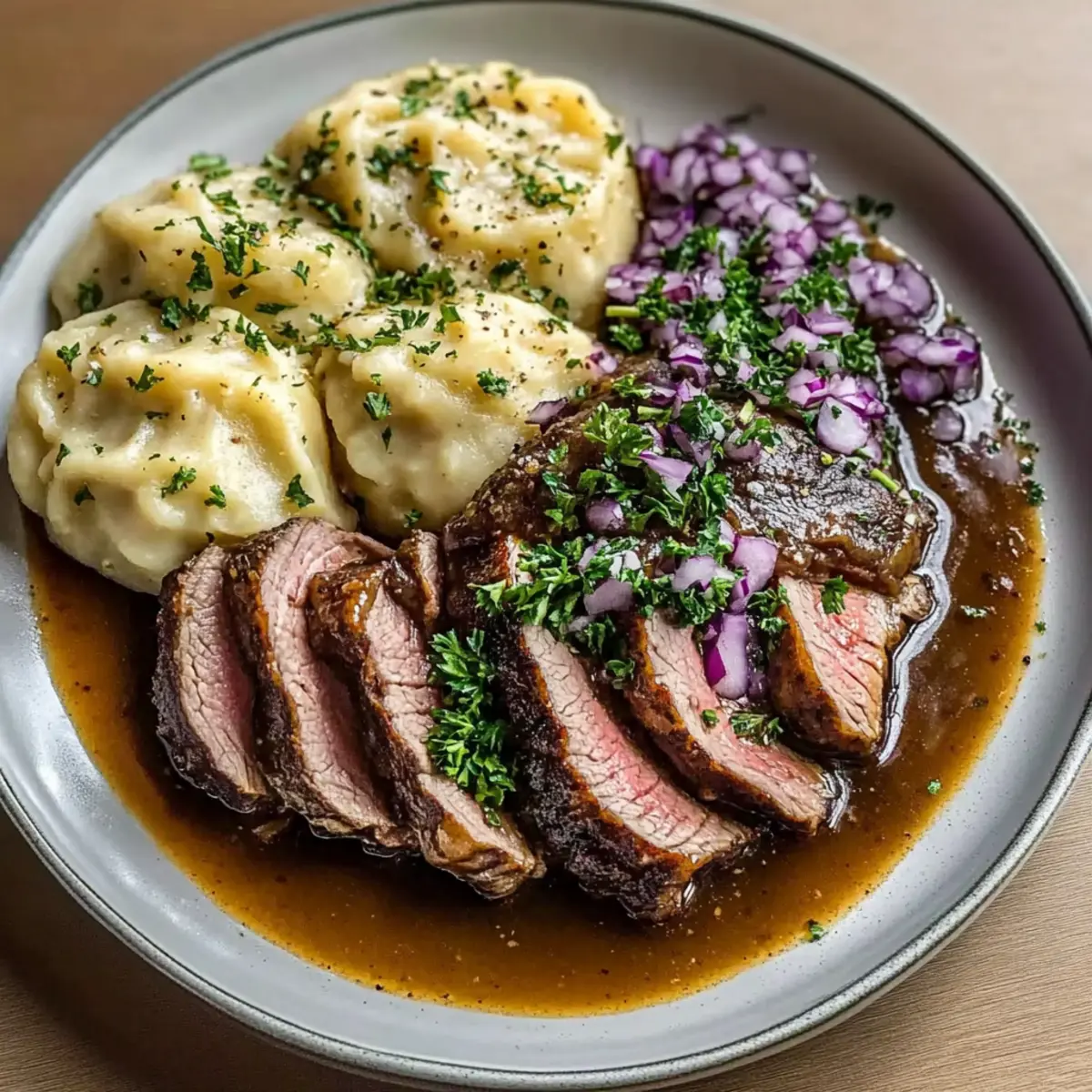
Why is Sauerbraten so special?
Tender, Flavorful Beef: The lengthy marinating process ensures your beef is not just tender but packed with flavor, creating a mouthwatering dining experience.
Unique Gravy: The addition of gingersnap cookies to the gravy offers an unexpected, delightful sweetness that beautifully complements the savory meat.
Cultural Richness: Each bite tells a story, reflecting the deep-rooted traditions of German cuisine, making your meal not just food but a cultural journey.
Versatile Pairings: Serve with potato dumplings or braised red cabbage for an authentic experience, or get creative with your favorite sides to suit any occasion.
Crowd-Pleasing Comfort: This dish is bound to impress your family and friends, offering a comforting yet sophisticated option that will have everyone asking for seconds.
For a delightful beverage pairing, consider serving this with a refreshing Pina Colada for a tropical twist!
Traditional Sauerbraten Ingredients
• Prepare to embark on your Sauerbraten journey with these essential ingredients for perfecting this classic dish!
For the Marinade
- Vinegar – Acts as the main acidic component of the marinade, enhancing flavor; for a milder taste, opt for apple cider vinegar.
- Water – Used to dilute the marinade and maintain moisture in the meat.
- Onions – Adds sweetness and depth; can be substituted with shallots for a different flavor twist.
- Garlic – Provides a savory, aromatic quality that elevates the dish.
- Sugar – Balances the acidity of the vinegar; feel free to use honey or maple syrup for natural sweetness.
- Bay Leaves – Imparts a subtle herbal flavor; ensure freshness by using whole leaves.
- Cloves – Adds warm, spicy notes; use sparingly, as its flavor can dominate.
- Allspice – Offers a complex flavor profile with hints of nutmeg and cinnamon; substitute with mixed spice if necessary.
- Peppercorns – Enhance the savory notes of the dish; black or mixed varieties are ideal.
For the Roast
- Beef – Rump roast or chuck roast provides the best texture and flavor, ensuring your Traditional Sauerbraten is succulent.
- Vegetable Oil – Used for searing the beef to achieve a flavorful crust.
For the Gravy
- Beef Broth – Enhances sauce richness; consider vegetable broth for a lighter version.
- Gingersnap Cookies – A traditional thickener adding a sweet-spicy flavor; gluten-free versions work too!
- Butter & Flour – Used for the roux to thicken the gravy; exchange flour with cornstarch for a gluten-free adaptation.
Step‑by‑Step Instructions for Traditional Sauerbraten Recipe
Step 1: Prepare Marinade
In a large bowl, whisk together 2 cups of vinegar, 2 cups of water, sliced onions, minced garlic, and sugar until combined. Then, add in the bay leaves, cloves, allspice, and peppercorns. The mixture should smell aromatic and tangy. This marinade is essential for the Traditional Sauerbraten, as it infuses the beef with flavor.
Step 2: Marinate Beef
Place the beef roast in a non-reactive container, ensuring it fits snugly. Pour the marinade over the beef, making sure it’s fully submerged. Seal the container tightly and refrigerate for 3 to 5 days. Remember to turn the meat daily to ensure even marination—a crucial step for tender, flavorful Sauerbraten.
Step 3: Sear the Beef
After marinating, remove the beef from the refrigerator and pat it dry with paper towels. Heat a large pot over medium-high heat and add vegetable oil. Sear the beef for about 4-5 minutes on each side, until a rich, brown crust forms. This process enhances the flavor of your Traditional Sauerbraten, creating a delightful texture.
Step 4: Simmer Beef
Once the beef is seared, add the reserved marinade along with 2 cups of beef broth into the pot. Bring the mixture to a gentle simmer over medium heat. Reduce the heat to low, cover the pot, and let it cook for 3 hours. The meat should be tender and easily shred apart when done, ensuring a delicious Sauerbraten experience.
Step 5: Prepare Gravy
After the beef is cooked, carefully strain the cooking liquid into a saucepan, discarding solids. Add crushed gingersnap cookies to the liquid and bring it to a simmer. In a separate pan, make a roux by melting butter and whisking in flour until golden. Combine the deux mixtures, stirring frequently until thickened and smooth.
Step 6: Serve
Slice the beef against the grain and place it on a serving platter. Drizzle a generous amount of the thick gravy over the slices to enhance the flavor. Optional: Garnish with freshly chopped parsley for a pop of color. Your Traditional Sauerbraten is now ready, perfect for cozy family dinners!
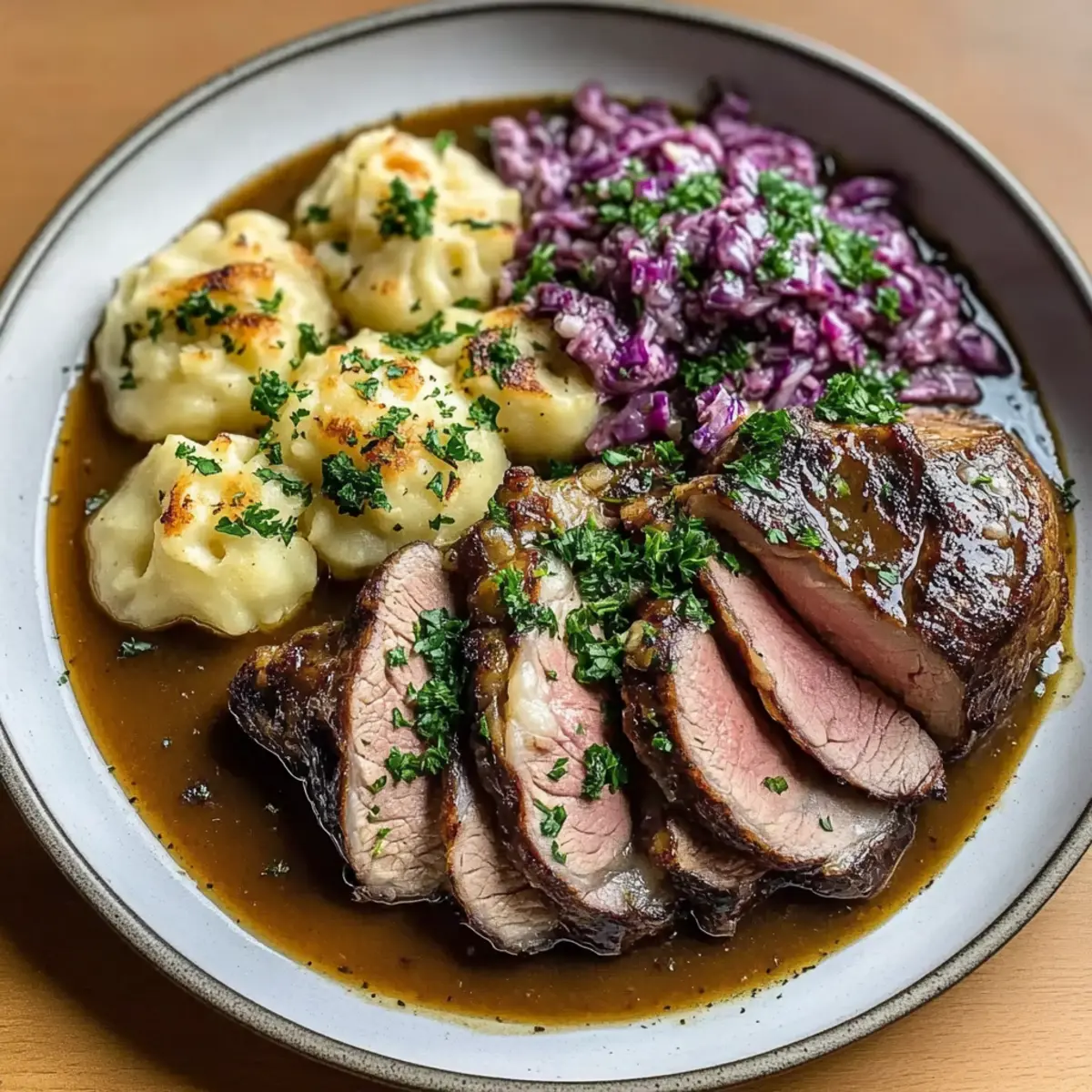
Expert Tips for Traditional Sauerbraten
-
Marination Mastery: Allow beef to marinate for the full 3-5 days. This long soak is vital for achieving maximum tenderness and flavors in your Traditional Sauerbraten.
-
Patting Dry: Before searing, always pat the beef dry with paper towels. This crucial step promotes better browning, creating that beautiful golden crust that elevates your dish.
-
Don’t Rush Simmering: Keep the heat low while simmering the beef for about 3 hours. This slow cooking process ensures the meat remains juicy and tender—rushing it could lead to tougher results.
-
Thicken with Care: When preparing the gravy, if it turns out too thick, simply add a splash of beef broth. This little trick helps achieve a silky consistency for your sauce, enhancing your traditional Sauerbraten experience.
-
Experiment with Sides: Consider pairing your Sauerbraten with traditional sides like potato dumplings or braised red cabbage for authenticity, or mix it up to suit your taste preferences.
-
Leftover Love: Store any leftovers in the refrigerator for up to four days. Believe it or not, the flavors deepen over time, making your next meal even more delightful!
Make Ahead Options
These Traditional Sauerbraten preparations are perfect for busy home cooks looking to save time during hectic weeknights! You can marinate the beef up to 5 days in advance—just make sure to turn the meat daily to allow for even flavor absorption. The gravy can also be made ahead; simply prepare it up to 3 days prior and store it in an airtight container in the refrigerator. To maintain quality, be sure to let the gravy cool completely before refrigerating. When you’re ready to serve, gently reheat the gravy on the stovetop while the beef simmers in the reserved marinade for about an hour. This approach ensures you’ll enjoy delicious, home-cooked flavor with minimal last-minute effort!
What to Serve with Traditional Sauerbraten?
Elevate your Sauerbraten experience with complementary sides that enhance its rich flavors and textures.
- Buttery Potato Dumplings: Their soft, pillowy texture pairs perfectly with the creamy gravy, soaking up every bit of flavor.
- Braised Red Cabbage: The sweet and tangy notes of this dish contrast beautifully with the savory beef, adding a colorful element to your plate.
- Creamy Mashed Potatoes: A classic choice, these velvety potatoes provide a comforting base and balance the robust flavors of the Sauerbraten.
- Roasted Root Vegetables: Carrots, parsnips, and potatoes bring a hearty, earthy dimension, adding a touch of sweetness that complements the meat.
- Spaetzle: These German egg noodles offer a delightful chewiness and are excellent for mopping up the rich gravy.
- Fresh Green Salad: Crisp greens with a light vinaigrette provide a refreshing contrast, cleansing the palate between bites of the rich Sauerbraten.
- German Beer: A refreshing lager or malty beer enhances the meal and echoes the dish’s German roots.
- Apple Strudel: For dessert, this classic treat brings a comforting sweetness to close your meal on a high note.
How to Store and Freeze Traditional Sauerbraten
Fridge: Store leftover Sauerbraten in an airtight container for up to 4 days. The flavors continue to develop, resulting in even tastier meals for later.
Freezer: You can freeze Traditional Sauerbraten for up to 3 months. Wrap the beef tightly in freezer-safe foil or a plastic bag to prevent freezer burn.
Reheating: Thaw overnight in the fridge before reheating. Warm it gently on the stove over low heat, adding a splash of broth if necessary to maintain moisture.
Serving Tips: When ready to serve, reheat the gravy separately to pour over the sliced beef, ensuring a comforting, delicious meal.
Traditional Sauerbraten Variations
Feel free to get creative and tailor this traditional dish to suit your family’s tastes!
-
Pork Roast: Swap traditional beef cuts for a pork roast for a different flavor and texture. The marinating process will still keep it juicy and satisfying, perfect for those who prefer pork.
-
Gluten-Free Gingersnaps: Use gluten-free versions of gingersnaps and flour for a celiac-friendly adaptation. It’s an easy swap that keeps the heart of the recipe intact.
-
Spice It Up: Add a sprinkle of cayenne pepper or crushed red pepper flakes to the marinade for a pleasing kick. This twist brings an exciting new dimension to the familiar flavor profile.
-
Herb Infusion: Experiment with fresh herbs like thyme or rosemary in the marinade for an aromatic twist. Their freshness will complement the tanginess beautifully.
-
Sweet and Sour Twist: Add some chopped prunes or raisins to the marinade for a touch of sweetness. This added fruitiness enriches the sauce, creating a delightful contrast.
-
Vegetable-Infused Gravy: Toss in some diced carrots and celery while simmering for a veggie boost. It enhances both texture and flavor, creating a more rounded dish.
-
Savory with Beer: Substitute half the broth with a dark beer for a rich, malty flavor in the gravy. The beer adds depth and complexity, making every bite even more intriguing.
-
Sweet BBQ Style: For a fun twist, add in a touch of barbecue sauce to the gravy, combining hints of smoke and sweetness. It’s a great fusion of German comfort food and barbecue flavor, perfect for grilling season!
You might also enjoy pairing this dish with a side of Baja Sauce Zesty for a delightful twist, or drizzling in some Hot Honey Sauce for those who enjoy a hint of heat!
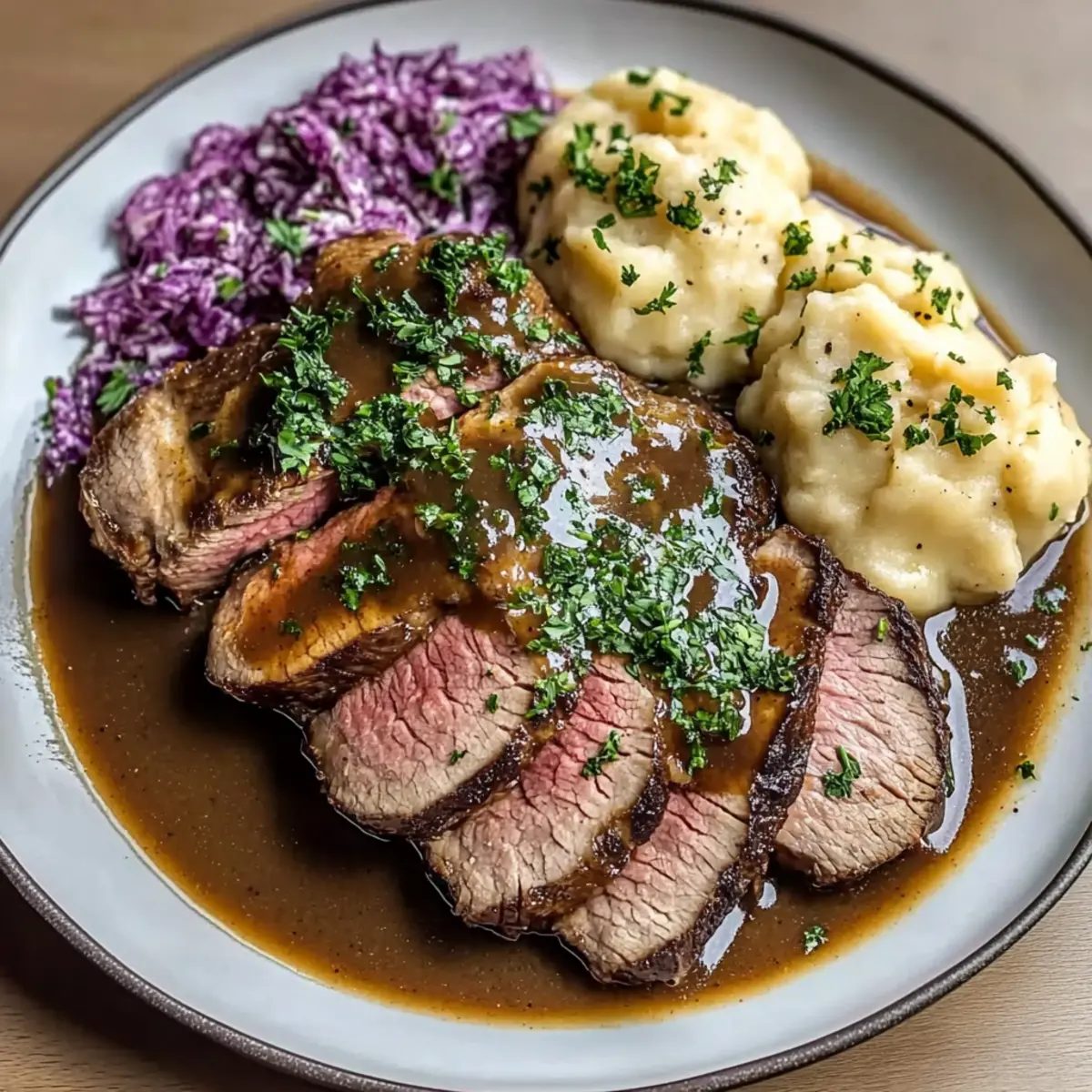
Traditional Sauerbraten Recipe FAQs
How do I choose the right cut of beef for Sauerbraten?
Absolutely! For the best results, I recommend using a rump roast or chuck roast. These cuts are well-marbled, which helps them absorb the marinade and become tender during cooking. Look for pieces that are bright red with some fat marbling for optimum flavor and juiciness.
How should I store leftover Sauerbraten?
You can store leftover Sauerbraten in an airtight container in the refrigerator for up to 4 days. I often find that the flavors improve over time, making the leftovers even tastier! Just make sure to allow it to cool completely before sealing.
Can I freeze Sauerbraten?
Absolutely, you can freeze Sauerbraten for up to 3 months! Wrap the beef tightly in freezer-safe foil or place it in a plastic freezer bag, removing as much air as possible to prevent freezer burn. When you’re ready to enjoy it, thaw it overnight in the fridge.
What if my Sauerbraten gravy is too thick?
If your gravy turns out too thick, no worries! Simply add a splash of beef broth while it’s simmering on the stove. Stir well until you reach your desired consistency. I always aim for that silky smooth finish—it’s so comforting!
Are there any dietary considerations I should keep in mind?
Yes, if you have dietary restrictions, you can easily adapt the Traditional Sauerbraten Recipe. Use gluten-free gingersnaps and cornstarch instead of flour for thickening the gravy. Also, if you’re cooking for pets, make sure to avoid using any onions or too much garlic, as these can be harmful to dogs. Always great to be safe!
How do I know if my beef is properly marinated?
You’ll want to marinate the beef for 3 to 5 days, turning it daily to ensure even flavor absorption. A well-marinated beef will have a rich aroma from the spices, and it should feel visibly darker as it absorbs the marinade. The longer it sits, the more tender and flavorful it becomes!
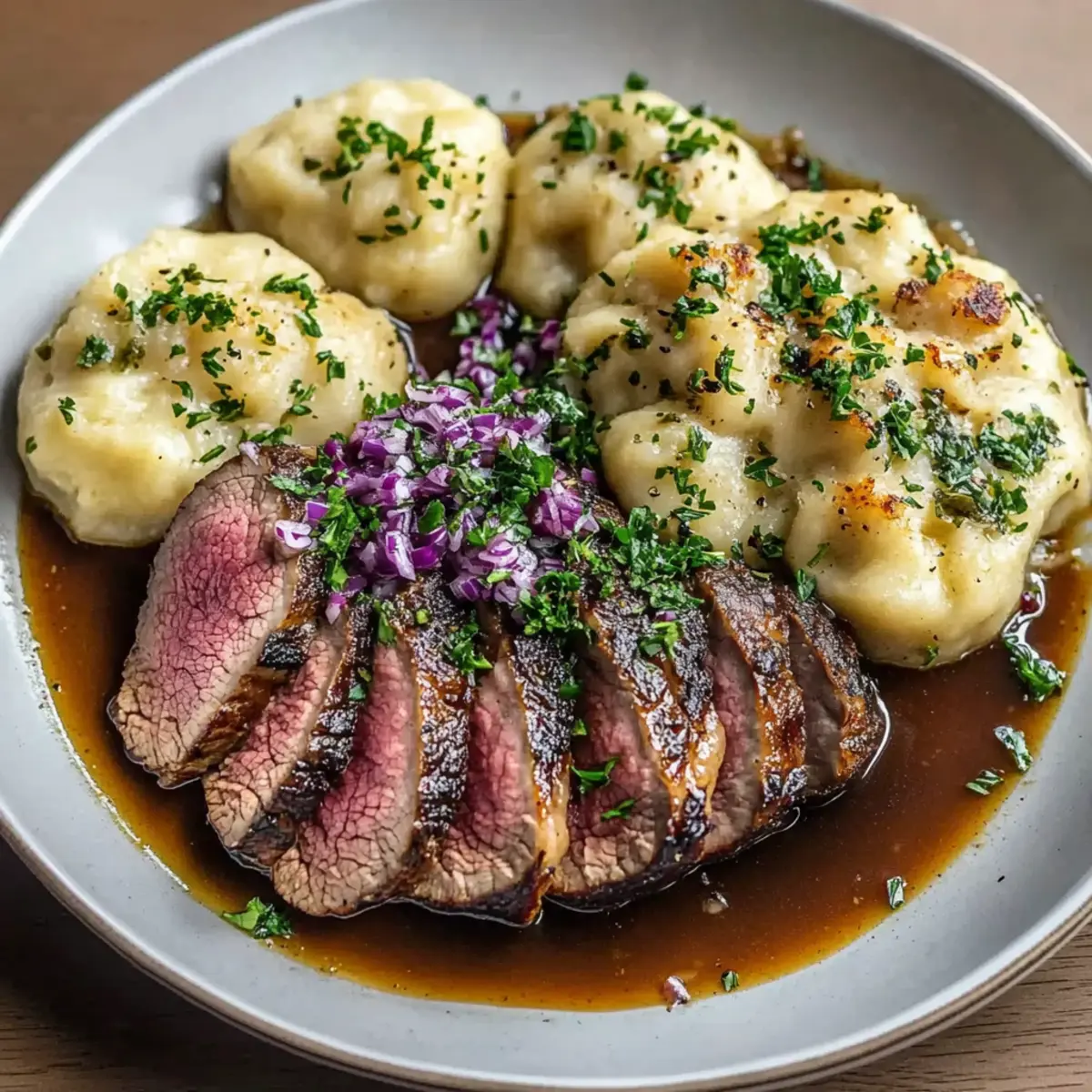
Traditional Sauerbraten Recipe: A Hearty German Delight
Ingredients
Equipment
Method
- In a large bowl, whisk together 2 cups of vinegar, 2 cups of water, sliced onions, minced garlic, and sugar until combined. Then, add in the bay leaves, cloves, allspice, and peppercorns. The mixture should smell aromatic and tangy.
- Place the beef roast in a non-reactive container, ensuring it fits snugly. Pour the marinade over the beef, making sure it's fully submerged. Seal the container tightly and refrigerate for 3 to 5 days, turning the meat daily.
- After marinating, remove the beef and pat it dry with paper towels. Heat a large pot over medium-high heat, add vegetable oil, and sear the beef for 4-5 minutes on each side until a rich brown crust forms.
- Add the reserved marinade and 2 cups of beef broth to the pot. Bring to a gentle simmer over medium heat, reduce to low, cover, and cook for 3 hours.
- Strain the cooking liquid into a saucepan, discarding solids. Add crushed gingersnap cookies to the liquid and bring to a simmer. In a separate pan, make a roux with butter and flour until golden, then combine the two mixtures until thickened.
- Slice the beef against the grain and place it on a serving platter. Drizzle gravy over the slices and optionally garnish with freshly chopped parsley.
Leave a Reply